

A massage pump in a hot tub lasts an average of 5 to 10 years with normal use. A circulation pump, which runs continuously at low speed for filtration and heating, typically lasts 10 to 15 years. The exact lifespan depends on three factors: frequency of use, water quality, and the quality of the pump brand itself.
Below you can read what the technical difference is between massage pumps and circulation pumps, which signals indicate that replacement is necessary, and which massage pumps at All4Spas immediately available for the most common jacuzzi installations.
Massage pump vs. circulation pump: two lifespans
Most hot tubs contain two types of pumps with fundamentally different functions. The massage pump, also called a jet pump or power pump, provides the water pressure behind the jets. As soon as you activate the jets, this pump switches to high speed and bears a heavy load. This load steadily wears down the internal components: the bearings, the shaft seat, and the mechanical seal experience significant forces with every session. With daily use and good water quality, you can expect a lifespan of 5 to 10 years. Those who bathe less frequently or who carefully monitor the water chemistry are more likely to reach the higher end of this range.
The circulation pump has a fundamentally quieter life. It runs continuously, but at low speed, to keep the water moving for filtration and heating. Because the mechanical load per cycle is low, the bearings and seals wear much slower. In practice, a circulation pump has a lifespan of 10 to 15 years. Emergencies are also more cost-effective to resolve in this area: the smaller motor requires less material and power than a full-size massage pump.
Does each hot tub have a separate circulation pump?
No. Older and cheaper models rely solely on one or more massage pumps, which also handle the filtration and heating cycles. This means more pump hours and a shorter average lifespan. Quality brands use a separate circulation pump, so the massage pumps only come on when you're actively using them. Not sure which type your spa has? Check if there are multiple pumps in the equipment room and consult the technical diagram for your model.
Three factors that determine pump lifespan
Water quality is the most underestimated factor. Water with a pH outside the 7.2 to 7.6 range will damage internal seals. Water that is too acidic will slowly dissolve the rubber, while water that is too alkaline will cause scale deposits on the shaft and bearings. This scale increases friction and forces the engine to work harder, significantly shortening its lifespan. Regular monitoring and adjustments are relatively easy but have the greatest impact of all maintenance tasks. More information about water treatment can be found in our advisory section.
Frequency of use and session duration are the second determining factors. A spa running at full capacity for two hours daily places four times more strain on the pumps than a spa used for one hour weekly. Thermal cycling further accelerates wear and tear: a pump starting from cold water experiences greater mechanical forces each time it starts than a pump that has already reached the desired temperature. Covering the spa between sessions keeps the water temperature stable, reduces the number of cold starts to almost zero, and simultaneously lowers the heater's energy consumption.
The third element is the brand quality of the pump itself. LX pumps, the best-selling replacement brand in the spa industry, are also used in original Jacuzzi brand spas and, with proper maintenance, offer a lifespan comparable to that of more expensive alternatives. Waterway pumps, manufactured in America, have been the industry standard for premium installations for decades. In practice, maintenance trumps brand name: a well-maintained LX pump will last longer than a neglected Waterway.
How do I know if my hot tub pump is about to break?
A worn-out pump almost always announces itself before it fails completely. The earliest sign is a changing sound: thumping, squeaking, or dragging indicates worn bearings or a damaged shaft. Don't ignore this, as a seized pump can burn out the motor winding and, in the worst-case scenario, damage the controller. Other early warning signs include noticeably weaker jets without a blocked filter and visible leakage around the pump housing. Unsure? Contact us via our contact page and send the nameplate of your current pump.
When is pump replacement the right choice
The three most common reasons for replacement are persistent noise complaints, reduced massage pressure, and water leakage. If noise complaints arise, it's wise to act quickly. A pump that's still running but making unusual noises further damages its bearings with every minute of operation. A timely replacement is cheaper than a pump that will later drag down the controller.
Reduced jet pressure is a less urgent but equally clear sign. If the jets are jetting weaker than usual, even though the filter is clean and the water level is correct, the pump is no longer performing at its capacity. This could be a worn impeller, a porous seal, or a motor that can no longer handle its maximum load. Replacement is more cost-effective than repair in this case, especially if the pump is more than seven years old.
Water leakage around the housing is the most urgent sign. A defective mechanical seal allows water to escape around the pump shaft. Replace the pump as soon as possible if this occurs: persistent leakage damages the electrical components in the immediate vicinity and can irreparably damage the controller.
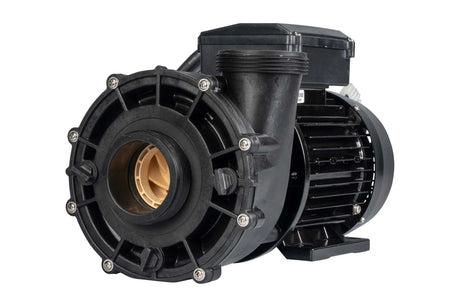
LX WP200-II
2.0 HP Dual Speed Massage Pump Direct replacement for 2 HP Waterway
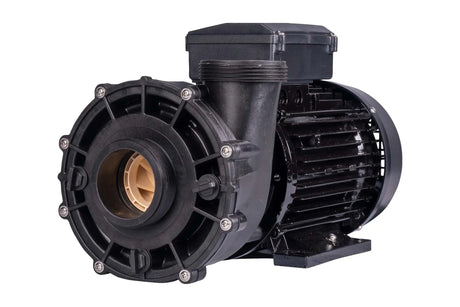
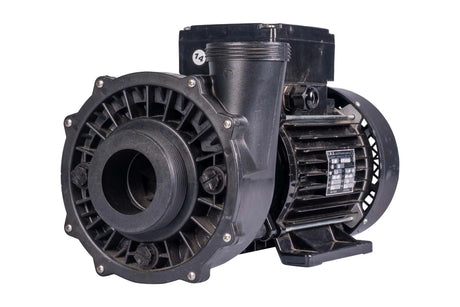
Waterway Executive Euro Pump
3.0 HP Dual Speed Original American Premium Quality
LX or Waterway: Choosing the Right Replacement Hot Tub Pump
When choosing a replacement hot tub pump, four specifications are crucial: the HP, the connection type (1.5" or 2"), the number of speeds (single-speed or dual-speed), and the impeller's rotational direction. Match your new pump to your existing system on all four points, and the replacement will fit without modification. In the vast majority of European systems, LX pumps connect directly to existing Waterway connections.
LX pumps, also known as Lingxiao pumps, are the most widely used replacement pumps in the European spa industry and are also used in original Jacuzzi brand spas. With equivalent power and connection types, they are a direct and reliable replacement at a higher price. Choosing the original Waterway brand means choosing a pump manufactured in America that has been the industry standard for decades for installations requiring maximum reliability. Both models are readily available from stock at All4Spas.
Can I replace a jacuzzi pump myself?
Yes, replacing the pump yourself is often easy if the new one has the same connection profile. Always turn off the power at the distribution board before starting work in the technical room. Note down the four specifications of your current pump, order the correct replacement, and proceed in the reverse order of disassembly: disconnect the hoses, disconnect the electrical connections, remove the pump from the bracket, install the new pump, and reconnect it. If in doubt, send the nameplate of your current pump via our contact page, and we'll find the exact match.
| Eigenschap | LX WP200-II | LX LP300 | Waterway Executive |
|---|---|---|---|
| Assets | 2.0 HP | 3.0 HP | 3.0 HP |
| Type | Dual Speed | Single Speed | Dual Speed |
| Origin | China (LX) | China (LX) | America (Waterway) |
| Price | €265 | €279 | €599 |
| Best choice if | Affordable dual-speed switch | Powerful single-speed change | Original Waterway replacement |
Frequently Asked Questions
How long does a hot tub pump last?
How do I know if my hot tub pump is about to break?
Is an LX pump a good replacement for a Waterway pump?
How much does a new hot tub pump cost?
Can I replace a jacuzzi pump myself?
Direct replacement, directly from stock
19 years of expertise and all pumps in stock in Uddel. Not sure which pump you need? We'll personally advise you based on your nameplate.